

Recognizing the signs how to identify gambling addiction in yourself or loved ones
Understanding Gambling Addiction
Gambling addiction, also known as compulsive gambling, is a serious mental health issue that affects millions of people worldwide. It is characterized by an uncontrollable urge to gamble despite the negative consequences. This addiction can lead to financial troubles, strained relationships, and emotional distress, making it vital to recognize the signs early on. Understanding the psychological triggers and the behavior patterns associated with gambling addiction is the first step toward addressing the problem. For those seeking engaging gameplay, check out https://chicken-road-2-app.com/ to learn more about platforms that prioritize responsible gaming.
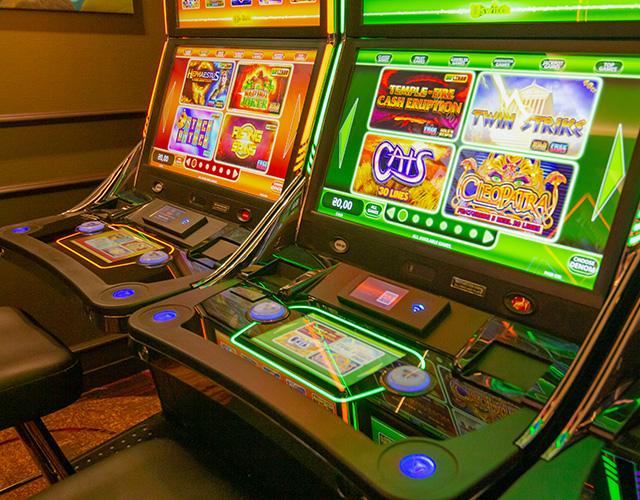
Many individuals may engage in gambling for entertainment purposes, but when it becomes a compulsive habit, it can escalate quickly. The thrill of winning may provide a temporary high, causing individuals to chase losses, which often leads to further gambling. Recognizing these behavioral patterns is crucial in identifying the addiction early, both for oneself and for loved ones who might be struggling.
Common Signs of Gambling Addiction
One of the most prominent signs of gambling addiction is the preoccupation with gambling activities. Individuals may frequently think about their gambling experiences, plan their next bets, or lie about their gambling habits to family and friends. This obsessive focus can overshadow daily responsibilities and negatively impact personal and professional relationships.
Another significant indicator is the tendency to gamble with increasing amounts of money. Those suffering from gambling addiction often find themselves betting more than they can afford, leading to escalating debt and financial instability. If someone you know continually borrows money or shows a sudden disregard for financial responsibilities, it may be a sign of a gambling problem.
Emotional and Behavioral Changes
Gambling addiction can also lead to noticeable emotional and behavioral changes. Individuals may experience mood swings, irritability, or anxiety, especially when they are not gambling. The emotional toll of chasing losses can lead to feelings of desperation and hopelessness, which may further perpetuate the cycle of addiction.
Additionally, individuals may become secretive and withdrawn, avoiding conversations about their gambling activities. This isolation can exacerbate feelings of guilt and shame, making it even harder for them to seek help. Recognizing these emotional and behavioral shifts is crucial in understanding and addressing gambling addiction.
The Importance of Open Communication
If you suspect that you or a loved one is struggling with gambling addiction, open communication is essential. Approaching the subject with empathy and understanding can make a significant difference. Encouraging a dialogue about the issue can help break the stigma surrounding gambling addiction and promote a supportive environment for recovery.
Moreover, discussing concerns openly can help individuals reflect on their gambling behavior and consider seeking professional help. Resources such as counseling and support groups can provide valuable assistance and guidance on the path to recovery, reinforcing the importance of a strong support system.

Explore Responsible Gaming Options
At our platform, we prioritize responsible gaming and provide a secure environment for players. Our resources aim to promote healthy gaming habits while enjoying entertaining experiences, such as the chicken road game. We understand the risks associated with gambling and encourage users to recognize the importance of moderation.
We offer tools and information to help players assess their gambling habits and seek help if necessary. By fostering a responsible gaming culture, we aim to reduce the prevalence of gambling addiction and support those who may be struggling. Join us today to explore exciting gaming options while prioritizing your well-being.
